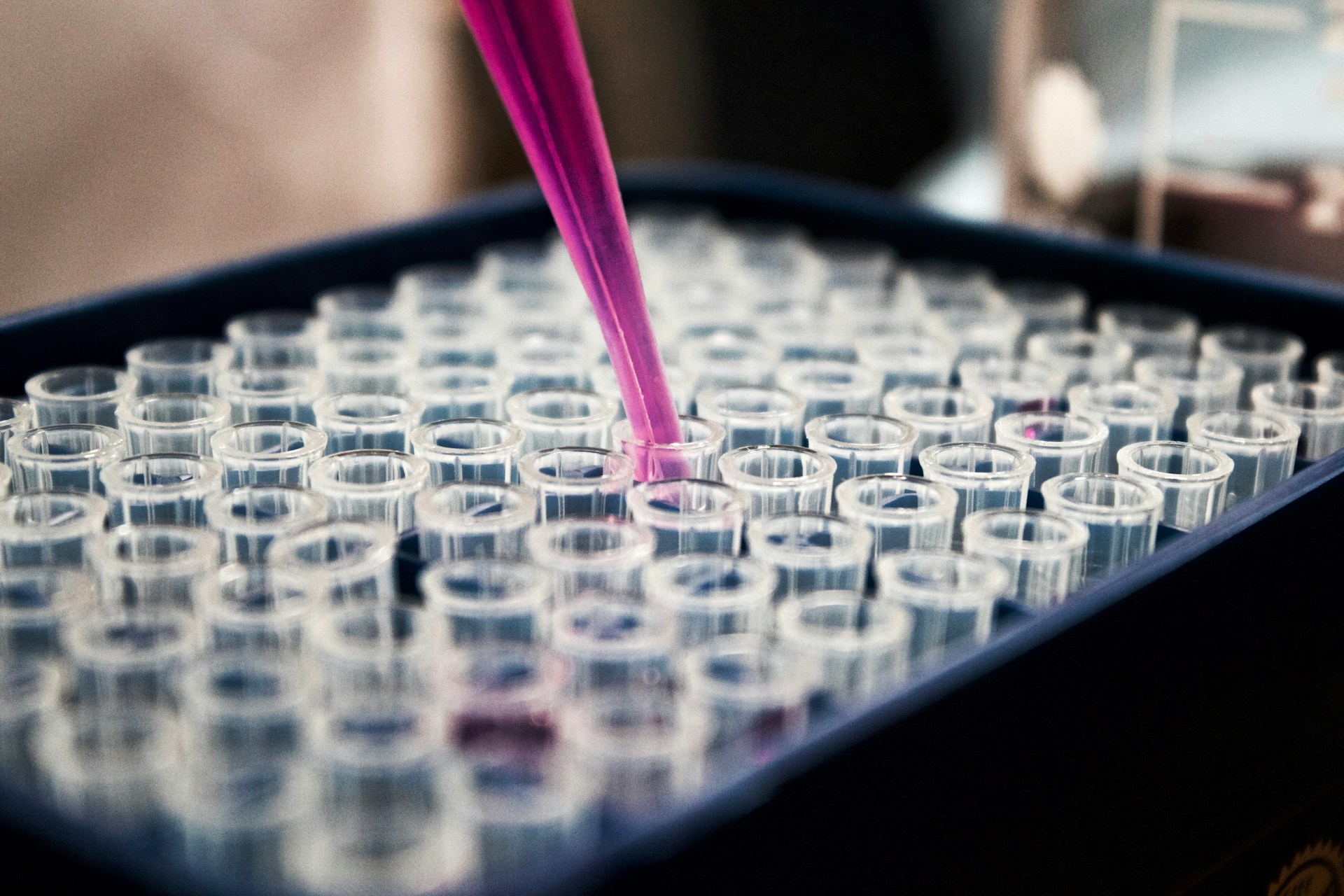
Pharmaceutical laboratories operate under stringent regulatory frameworks where precision isn’t just preferred—it’s mandatory.
Every measurement, every transfer, and every formulation must meet exacting standards to ensure patient safety and product efficacy. At the heart of this precision lies a seemingly simple tool: the pipette.
When pharmaceutical companies invest millions in research and development, the accuracy of their liquid handling equipment can make or break their outcomes.
A miscalibrated pipette doesn’t just compromise a single experiment; it can invalidate entire batches, trigger regulatory non-compliance, and ultimately put patients at risk. Understanding why pipette calibration service is essential helps pharmaceutical labs maintain the highest standards of quality and compliance.
This article explores the critical reasons pharmaceutical laboratories must prioritize precision pipette calibration, from regulatory compliance to cost savings and quality assurance.
Regulatory Compliance Demands Exact Measurements
Meeting cGMP Standards
Current Good Manufacturing Practice (cGMP) regulations require pharmaceutical manufacturers to establish and maintain rigorous quality control systems.
These standards mandate that all equipment used in the manufacturing process must be regularly calibrated and maintained to ensure accuracy and reliability.
cGMP calibration requirements specifically address:
- Regular calibration schedules based on equipment usage and manufacturer recommendations
- Documentation of all calibration activities with traceable results
- Qualification of calibration service providers to ensure competency
- Corrective action procedures when equipment falls outside acceptable tolerances
Failing to meet these standards can result in warning letters, production halts, or even facility shutdowns. Regulatory bodies like the FDA conduct thorough inspections where calibration records are scrutinized as evidence of quality control practices.
ISO/IEC 17025 Accreditation
Beyond basic compliance, many pharmaceutical labs seek ISO/IEC 17025-accredited calibration services. This international standard ensures that calibration laboratories demonstrate technical competence and produce valid, reliable results. Accredited services provide:
- Traceability to national or international measurement standards
- Documented measurement uncertainty calculations
- Regular participation in proficiency testing programs
- Independent third-party verification of laboratory competence
Working with an accredited laboratory gives pharmaceutical companies confidence that their calibration data will withstand regulatory scrutiny and support quality documentation requirements.
Protecting Product Quality and Patient Safety
The Ripple Effect of Measurement Errors
A single miscalibrated pipette can compromise pharmaceutical metrology across multiple operations. Consider these potential consequences:
- Formulation errors: Incorrect active ingredient concentrations that render medications ineffective or dangerous
- Batch failures: Entire production runs that must be discarded due to quality deviations
- Clinical trial invalidation: Research data that becomes unreliable, delaying drug development timelines
- Stability testing issues: Inaccurate measurements that compromise shelf-life predictions
Each of these scenarios carries substantial financial and reputational costs, not to mention the potential harm to patients who depend on accurate pharmaceutical products.
Ensuring Consistent Results
Precision pipette calibration establishes confidence intervals for liquid handling operations. When laboratories know their pipettes operate within specified tolerances, they can:
- Reproduce experimental results across different operators and timeframes
- Compare data between different laboratory locations
- Validate analytical methods with reliable measurements
- Meet quality control specifications for manufactured products
This consistency forms the foundation of reliable pharmaceutical research and manufacturing.
Cost Efficiency Through Preventive Maintenance
Reducing Equipment Downtime
Regular calibration services include comprehensive preventive maintenance that extends pipette lifespan and reduces unexpected failures. Professional calibration providers typically perform:
- Internal and external cleaning to remove contaminants
- Replacement of seals and O-rings before they fail
- Piston polishing to maintain smooth operation
- Lubrication of moving parts to prevent wear
- Adjustment of mechanisms to restore accuracy
These preventive measures catch small issues before they escalate into equipment failures that halt laboratory operations.
Minimizing Waste and Rework
When pipettes drift out of calibration, the resulting measurement errors often go undetected until quality control testing reveals problems. By this point, significant resources have been wasted on:
- Failed experiments that must be repeated
- Rejected batches requiring disposal
- Investigation time to identify root causes
- Additional testing to verify corrective actions
Regular calibration prevents these costly scenarios by maintaining equipment accuracy from the outset.
Optimizing Calibration Schedules
Sophisticated calibration programs track equipment performance over time, allowing laboratories to optimize their calibration intervals. Instead of following arbitrary schedules, lab precision programs can:
- Identify stable equipment that can safely extend calibration intervals
- Flag problematic units requiring more frequent attention
- Predict when equipment may need replacement before failures occur
- Allocate calibration budgets more effectively based on actual needs
This data-driven approach maximizes the return on calibration investments.
Comprehensive Service Options for Different Needs
Mail-In Calibration Services
For laboratories with adequate equipment redundancy, mail-in calibration offers the highest level of precision. Specialized calibration facilities provide:
- Dedicated pipette-specific balances with superior resolution
- Vibration-reducing equipment and granite surfaces for stability
- Environmental controls maintain optimal temperature and humidity
- Industry-leading measurement uncertainties
- Rapid turnaround options, including next-on-bench and three-day services
These controlled laboratory environments achieve accuracy levels difficult to replicate in field conditions.
On-Site Calibration Alternatives
Some pharmaceutical operations cannot afford the downtime of sending pipettes off-site. For these situations, qualified service providers bring calibration capabilities directly to the facility using:
- Portable pipette-specific balances
- Vibration-dampening equipment
- Environmental monitoring to ensure suitable conditions
- The same documentation and quality standards as laboratory services
On-site services work particularly well for laboratories with large pipette inventories or continuous manufacturing operations that cannot interrupt liquid handling capabilities.
Customizable Testing Protocols
Pharmaceutical applications often require specific testing parameters beyond standard calibration procedures. Professional calibration services can accommodate:
- As-found and as-left data collection to document equipment condition
- Multiple replicate readings for enhanced statistical confidence
- Additional test points across the pipette’s volume range
- ISO 8655-compliant testing protocols
- Special documentation requirements for regulatory submissions
This flexibility ensures calibration services align with each laboratory’s unique quality system requirements.
Supporting Different Pipette Types and Brands
Universal Service Capabilities
Pharmaceutical laboratories typically use diverse pipette inventories, including:
- Fixed and variable volume models
- Single-channel, multi-channel, and repeating pipettes
- Bottle-top dispensers for reagent preparation
- Air displacement and positive displacement mechanisms
- Equipment from multiple manufacturers
Quality calibration providers service all major brands and configurations, maintaining expertise across different mechanisms and volume ranges. This universal capability simplifies vendor management and ensures consistent service quality regardless of equipment type.
Repair and Replacement Services
Beyond calibration, comprehensive service programs include repair capabilities with:
- Stocked replacement parts for all major brands
- Skilled technicians trained on multiple platforms
- Quick turnaround to minimize equipment downtime
- Replacement pipette options when repair isn’t feasible
These integrated services provide one-stop support for maintaining laboratory liquid handling capabilities.
Enhanced Documentation and Asset Management
21 CFR Part 11 Compliance
Pharmaceutical laboratories operating under FDA jurisdiction must maintain electronic records that comply with 21 CFR Part 11 requirements. Modern calibration services provide:
- Secure electronic calibration certificates with complete test data
- Audit trails documenting all record access and modifications
- Electronic signatures with user authentication
- Data integrity controls prevent unauthorized changes
This electronic documentation integrates seamlessly with laboratory quality management systems.
Online Asset Management Tools
Sophisticated calibration programs offer web-based asset management platforms that provide:
- Real-time visibility into equipment calibration status
- Automated reminders for upcoming calibration due dates
- Calibration trending analysis to identify performance patterns
- Service history tracking for maintenance planning
- Out-of-tolerance notifications triggering immediate response
These tools transform calibration from a compliance burden into a strategic quality management capability.
Training and Knowledge Transfer
Operator Education Programs
Even perfectly calibrated pipettes produce inaccurate results when used improperly. Comprehensive calibration providers offer training seminars covering:
- Pipette types, components, and operational principles
- Proper pipetting techniques to maximize accuracy
- Common issues, symptoms, and troubleshooting approaches
- Decontamination guidelines for maintaining equipment
- Preventive maintenance users can perform
- Understanding calibration reports and specifications
These educational programs empower laboratory personnel to get the most from their liquid handling equipment.
Building Internal Competency
Regular interaction with calibration experts helps pharmaceutical laboratories develop internal expertise about:
- Appropriate calibration intervals for different applications
- When to repair versus replace aging equipment
- How to interpret calibration data and uncertainty values
- Best practices for pipette selection and procurement
This knowledge transfer strengthens overall quality systems and supports continuous improvement initiatives.
Taking the Next Step Toward Precision
Pharmaceutical laboratories face mounting pressure to deliver accurate results faster and more cost-effectively than ever before. Precision pipette calibration service provides the foundation for meeting these challenges while maintaining regulatory compliance and protecting product quality.
Partnering with an ISO/IEC 17025 accredited calibration provider ensures your liquid handling equipment receives the attention it deserves.
Whether you choose mail-in services for maximum accuracy or on-site calibration for operational convenience, professional calibration programs deliver measurable value through reduced errors, extended equipment life, and defensible documentation.
Don’t wait for a failed audit or quality investigation to expose calibration gaps. Review your current pipette maintenance program and identify opportunities to enhance precision, streamline documentation, and strengthen compliance. Your patients, regulators, and bottom line will thank you.
Ready to elevate your laboratory’s measurement capabilities? Explore comprehensive pipette calibration service options that deliver industry-leading accuracy with unmatched customer support.